
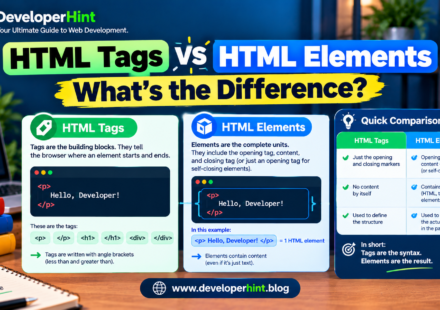
HTML Tags vs HTML Elements: What’s the Difference?

If you have spent any time learning HTML, you have probably heard the words tag and element used as if they meant the same thing. In casual conversation they often do, and nobody will correct you. But they are not identical, and the gap between them…
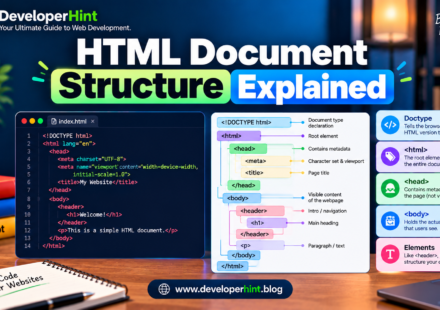
HTML Document Structure Explained
Every web page you have ever visited sits on top of the same basic skeleton. HTML document structure is the set of rules and conventions that tell a browser what a file is, where the metadata lives, and which parts are meant to be seen. It looks like…
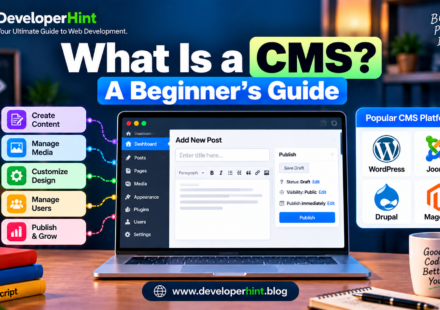
What Is a CMS? A Beginner’s Guide
A CMS, short for content management system, is software that lets you create, edit, and publish website content without writing a new HTML file every time you want to change something. You log into a dashboard, type your post in an editor, press publish,…
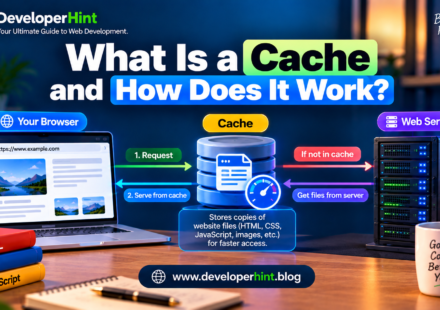
What Is a Cache and How Does It Work? A Developer’s Guide
Open a site you’ve never been to and watch it load. Then open it again. The second time, it almost always feels quicker, sometimes dramatically so, and nothing about your internet connection changed. What changed is that your browser kept some of…
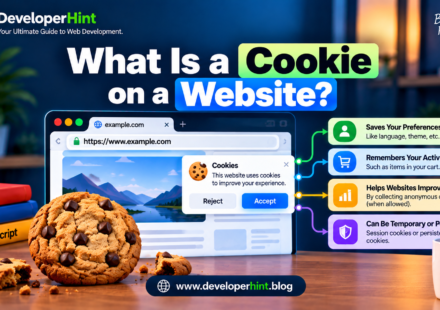
What Is a Cookie on a Website? How Browser Cookies Actually Work
HTTP has no memory. Every request a browser sends to a server is treated as a brand new conversation, with no built-in way for the server to know it already talked to you five seconds ago. That’s fine for reading a static article. It falls apart…
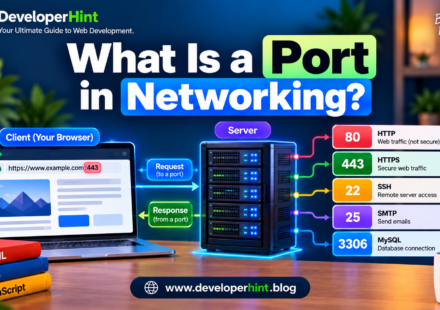
What Is a Port in Networking? A Practical Guide for Developers
A single computer can run a web server, a database, an SSH service, and a dozen other programs all at the same time, and every one of them is reachable at the same IP address. So when a packet arrives, how does the machine know which program it’s…
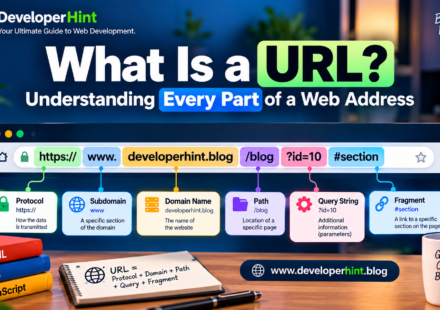
What Is a URL? Understanding Every Part of a Web Address
Type an address into your browser and a page shows up. Most people never look past that. But a URL is actually a small, tightly packed instruction, it tells the browser which protocol to speak, which server to find, which resource to ask for, and…
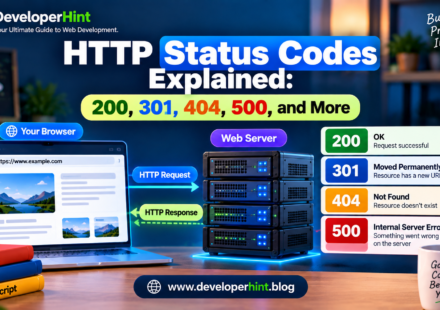
HTTP Status Codes Explained: 200, 301, 404, 500, and More
If you’ve ever landed on a page that just says “404 Not Found,” you’ve already run into an HTTP status code without necessarily knowing what it was. You’ve probably seen a few others too — 200, 301, 403, 500, showing…
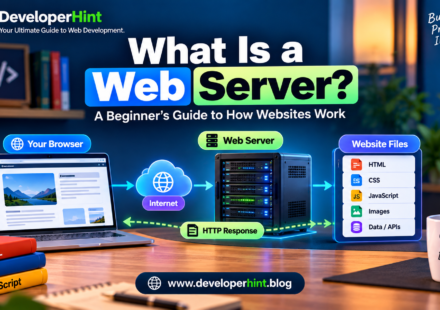
What Is a Web Server? A Beginner’s Guide to How Websites Work
You type a website address into your browser, hit enter, and a page shows up almost instantly. It’s easy to never think about what actually happens in between — but somewhere in that split second, something called a web server did most of the…
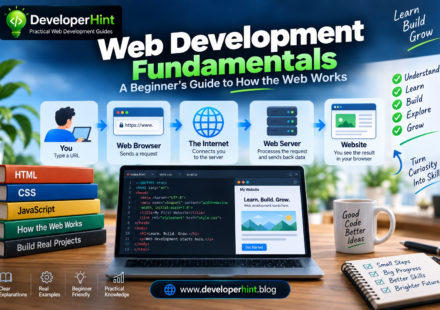
Web Development Fundamentals: A Beginner’s Guide to How the Web Works
HTML, CSS, JavaScript, browsers, servers, domains, hosting, APIs, databases, Git, frameworks — if you’re just starting out, the list of things people say you “need to know” can feel endless. The good news is that you don’t…