Skip to content
-
Subscribe to our newsletter & never miss our best posts. Subscribe Now!
Developer Hint

Your Ultimate Guide to Web Development.

Developer Hint

Your Ultimate Guide to Web Development.

  • Home
  • Web Development
  • Tech Explained
  • Developer Tools
  • Contact Us
  • Home
  • Web Development
  • Tech Explained
  • Developer Tools
  • Contact Us
Close

Search

Subscribe
Developer Hint

Your Ultimate Guide to Web Development.

Developer Hint

Your Ultimate Guide to Web Development.

  • Home
  • Web Development
  • Tech Explained
  • Developer Tools
  • Contact Us
  • Home
  • Web Development
  • Tech Explained
  • Developer Tools
  • Contact Us
Close

Search

Subscribe
Home/Tech Explained/What Is the Internet? Definition, History, and How It Works (Complete Guide)
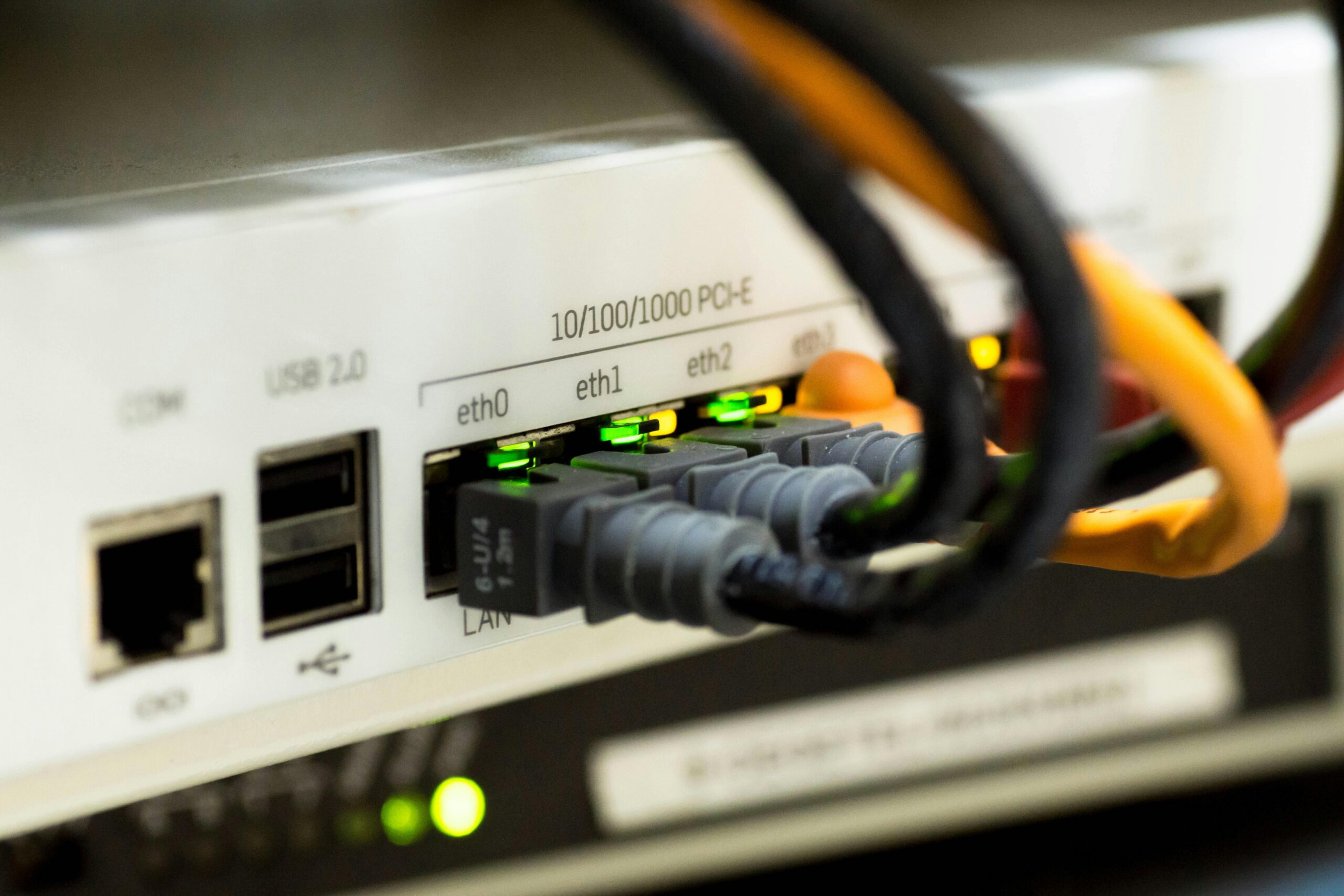
Detailed close-up of ethernet cables and network connections on a router, showcasing modern technology.
Tech Explained

What Is the Internet? Definition, History, and How It Works (Complete Guide)

blank
By Developer Hint
October 31, 2025 3 Min Read
0

Introduction

The Internet has completely transformed how we communicate, learn, and work. From social media and streaming to online shopping and coding, the internet connects billions of devices and people around the world every second.

But what exactly is the Internet? How did it begin? And who made it possible? Let’s explore.

💡 Definition of the Internet

The Internet is a global network of interconnected computers that communicate with each other to share information and resources.

It works through a system of servers, routers, and protocols that allow devices to send and receive data anywhere in the world.

In simple terms:

The Internet = A worldwide network that connects computers and allows information exchange.

🕰️ History of the Internet

When Was the Internet Invented?

The concept of the Internet began in the late 1960s.

  • 📅 Year Invented: 1969
  • 👨‍🔬 Invented by: ARPA (Advanced Research Projects Agency), a U.S. government organization
  • 💡 Original Name: ARPANET

How It Started

In 1969, ARPA built ARPANET, a network connecting four universities in the United States:

  1. University of California, Los Angeles (UCLA)
  2. Stanford Research Institute
  3. University of California, Santa Barbara
  4. University of Utah

This was the first time computers could “talk” to each other remotely — the birth of the modern Internet.

👨‍🏫 Key People Behind the Internet

  1. Leonard Kleinrock: Developed the theory of packet switching, a core part of Internet data transfer.
  2. Vint Cerf & Bob Kahn: Created the TCP/IP protocol in the 1970s — the technology that allows computers to connect across networks.
  3. Tim Berners-Lee: In 1989, he invented the World Wide Web (WWW), making the Internet easy for everyone to use through websites and browsers.

⚙️ How the Internet Works

The Internet relies on a system of networks that communicate through standardized rules known as protocols.

Here’s the process in simple terms:

  • You make a request: You type a website URL (like developerhint.blog).
  • Your device sends the request: Data travels through your router and ISP (Internet Service Provider).
  • Servers respond: The web server finds the data and sends it back to your browser.
  • You see the result: The webpage loads on your screen.

This all happens in milliseconds thanks to TCP/IP and DNS systems.

🔗 Key Components of the Internet

  • Clients: Devices like your phone, laptop, or tablet.
  • Servers: Powerful computers that store websites and data.
  • Routers: Direct data between networks.
  • Protocols: Rules that allow devices to communicate (e.g., TCP/IP, HTTP, HTTPS, DNS).
  • ISPs: Internet Service Providers that give users access to the Internet.

🌍 Growth of the Internet

  • 1991: The World Wide Web became public.
  • 1993: The first graphical browser, Mosaic, was launched.
  • 2000s: The Internet expanded with social media, email, and mobile technology.
  • Today: Over 5 billion people use the Internet worldwide (source: ITU, 2024).

💡 Importance of the Internet

The Internet is the backbone of the modern world. It enables:

  • Global communication
  • Online education
  • E-commerce and banking
  • Software development and cloud computing
  • Information sharing and entertainment

Simply put — the Internet connects everything and everyone.

💬 Conclusion

The Internet, first built in 1969 as a U.S. research project, has become the most powerful communication system in human history.

It connects ideas, people, and opportunities across the planet — shaping how we live and build the future.

At Developer Hint, we believe understanding the Internet is the first step to mastering modern technology.

banner
Content Disclosure
This content was created with the assistance of AI tools and thoroughly reviewed, fact-checked, and refined by a human editor to ensure accuracy, clarity, and usefulness for readers.
Advertisements
banner
blank
Author

Developer Hint

Follow Me
Other Articles
What Is A Computer
Previous

What Is a Computer? Definition, Types, and How It Works (Beginner’s Guide)

Scrabble tiles on a wooden surface forming the word 'Website', symbolizing digital communication.
Next

The Website Explained: Meaning, History, and How It Works for Beginners

No Comment! Be the first one.

    Leave a Reply Cancel reply

    Your email address will not be published. Required fields are marked *

    Random Posts

    • Client-Side vs Server-Side Rendering: What’s the Difference?Client-Side vs Server-Side Rendering: What’s the Difference?
    • CSS Specificity Explained Simply (With Practical Examples)CSS Specificity Explained Simply (With Practical Examples)
    • JavaScript Hoisting Explained: Avoid Common MistakesJavaScript Hoisting Explained: Avoid Common Mistakes
    • What Is the Internet? Definition, History, and How It Works (Complete Guide)What Is the Internet? Definition, History, and How It Works (Complete Guide)
    • How to Create a Responsive Navbar Using HTML and CSSHow to Create a Responsive Navbar Using HTML and CSS

    Popular

    Archives

    • May 2026
    • April 2026
    • March 2026
    • February 2026
    • January 2026
    • November 2025
    • October 2025

    Categories

    • Developer Tools
    • Tech Explained
    • Web Development

    Random Posts

    • Tailwind vs Bootstrap: Which CSS Framework Should Developers Use in 2026?Tailwind vs Bootstrap: Which CSS Framework Should Developers Use in 2026?
    • CSS Selectors: Class and ID ExplainedCSS Selectors: Class and ID Explained
    • Understanding JavaScript Arrow Functions with ExamplesUnderstanding JavaScript Arrow Functions with Examples
    • CSS Display Types Explained: block, inline, flex, grid, and MoreCSS Display Types Explained: block, inline, flex, grid, and More
    • Namecheap vs Hostinger: Which Hosting is Better for WordPress in 2026?Namecheap vs Hostinger: Which Hosting is Better for WordPress in 2026?

    Popular

    Legal pages

    • About Us
    • Privacy Policy
    • Terms and Conditions
    • Disclaimer

    Trending

    Copyright 2026 — Developer Hint. All rights reserved.

    ►
    Necessary cookies enable essential site features like secure log-ins and consent preference adjustments. They do not store personal data.
    None
    ►
    Functional cookies support features like content sharing on social media, collecting feedback, and enabling third-party tools.
    None
    ►
    Analytical cookies track visitor interactions, providing insights on metrics like visitor count, bounce rate, and traffic sources.
    None
    ►
    Advertisement cookies deliver personalized ads based on your previous visits and analyze the effectiveness of ad campaigns.
    None
    ►
    Unclassified cookies are cookies that we are in the process of classifying, together with the providers of individual cookies.
    None